A: I don’t think there is anyone who wasn’t aware how hot the real estate market was since the beginning of Covid, and the frenzied buying characteristic of that time. I’ve often wondered, “Why do humans panic so much, and who started the fear and supplied the response to that fear?” I’m sure many a forest was cleared to produce the paper needed for the consumption of toilet paper that was purchased. And what about hand sanitizer? With hurricanes we see water flying off the shelves and gas being purchased in amounts that could sustain a small town, let alone a single family. This is what happened with the housing market. Someone “Started the fire” as singer Bill Joel wrote in his song, and before you know it the real estate market took off to heights seldom seen before. Now that we’ve all taken a breath and realized Florida isn’t closing its borders to people looking to relocate from the north to purchase a home, we are all settling back to the normal real estate trends. We typically see fewer buyers this time of year as people are just starting to return from their summer getaways, and children are engrossed in school activities. The start of the typical “hot seasonal market” starts in January and runs throughout the late spring and early summer. The slowdown you are currently seeing with fewer buyers in the market is a stark contrast to what we’ve seen with the panic buying the past couple of years, but the sky isn’t falling.
Yes, interest rates will play a role for some, but keep in mind those that purchased homes the past few years paid cash or borrowed around 50%. Those that purchased did so as a permanent move, and not so much as an investment. We don’t see short sales and defaults due to sub prime mortgage lending. In short we don’t see a market crash. In fact we see well priced properties continue to be in hot demand as this part of Florida offers a more affordable way of life than many other areas around the state or country.
What I am hearing is some people who are “hurricane weary” saying they are considering a move, as they don’t want to go through another storm and the cleanup aftermath. If you are one of them, before you do anything please give us a call. This is not a solicitation to list your home and to wish you much success on your move, but to help you decide if making a move is really going to give you the peace of mind and enjoyment you are seeking. People buy and sell real estate on emotion, and that emotional desire is different for everyone. There isn’t an area in the country that isn’t impacted by one form of catastrophic weather or another, but there is a reason you came to Florida. The two pieces of advice we would give anyone giving serious thought to a move would be 1. Research the area you are considering and determine if it really provides you all the things that meet your interests, and not just an emotional escape. 2. Know the value of your home. When Hurricane Charley impacted us there were countless stories of people coming in and preying on the emotions of those most severely impacted, especially the elderly. They agreed to accepting extremely low offers and in some cases even signed over their insurance benefits. Our goal is, and always has been, to give honest advice and insight to the market. If a move is a serious consideration, make sure it is for all the right reasons. Who knows, you may find in a short time your current home and community in which you live offers you the best quality of life you’ve been seeking.
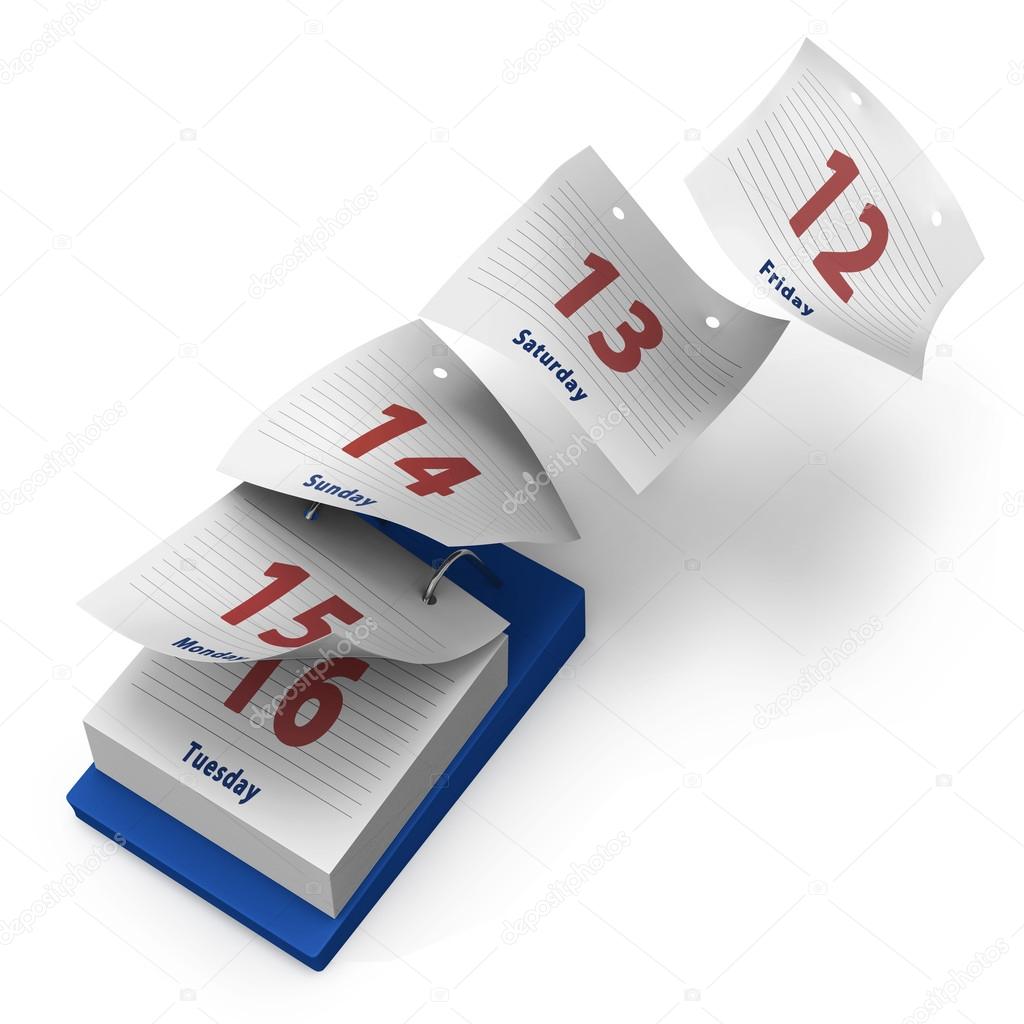 Wasn’t it just yesterday when we made our New Year’s Resolutions? I know I put them around here somewhere in my start to the New Year promise to myself. Is it me, or did someone misplace January? That seems to be missing as well; however, my calendar says it’s going to be Valentine’s Day in a few days. Is it possible for me to get a do-over?
 The new FEMA flood changes are on everyone’s mind these day, as the increases went into effect on October 1, 2021. Instead of relying on “flood zones” as a determination of your flood exposure, the new system is referred to as “Rating 2.0,” which is a single risk modeling system that takes into consideration area and proximity to harbor, replacement coverage, frame vs. block construction along with slab vs. pilings. Also considered is prior flood loss. Banks may use flood zones, but insurance companies are going by the new rating system. So what does all of this mean you ask? Well, if you have an existing flood policy your flood insurance will increase approximately 18% per year until you reach the figure FEMA has established as the target figure for your property. If you don’t have flood insurance then you will be subject to the new valuations FEMA has established. When buying a home it is important to find out in the beginning of your negotiations if the current seller is carrying flood insurance, as this will impact your investment in the home significantly. To give you a better understanding of the difference in buying a home where the seller is carrying flood insurance verses one where they aren’t, recently we had a buyer purchasing a home on a gulf access canal. They were quoted $6,700.00 to obtain flood insurance for the home. Thankfully, the seller’s insurance carrier said their policy could be assumed, which saved our buyer a significant amount of money as the seller was paying $1,080.00 for flood insurance. It is important to find out up front when negotiating the purchase of a home if the current homeowner is carrying flood insurance and if the policy can be assumed.
 While most people would like to talk about themselves, Gary and Gail have always put their clients first, and their diverse backgrounds have provided their clients an unparalleled level of service and knowledge throughout the past years.